


 SIGN UP FOR OUR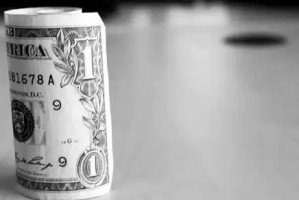
The Greenback
Starting this Monday, February 2nd, the strongest international currency in the world will no longer be subject to the caps and limits imposed by the Central Bank of Costa Rica over the last eight years. Since October 2006, the value of the United States dollar (USD) against the colón (CRC) was controlled by “bandas cambiarias” (exchange bands), which established a floor and ceiling that kept the greenback from adopting drastic appreciation or devaluation in Costa Rica.
Under the exchange bands regime, the US dollar floor was set around 500 CRC and the ceiling at about 860 CRC. Those limits are now gone, and the Central Bank will now utilize a new mechanism called the “dirty float” or “administrative float,” whereby monetary intervention will take place whenever Central Bank directors consider that trading on the Monex, Costa Rica’s foreign exchange trading platform, has become too speculative.
The Central Bank has actually been exercising a “dirty float” style of USD – CRC management since June of 2014, but consumers have not noticed this intervention too much. The average exchange rate on the Monex over the last few months has been around 535 CRC, and it has not climbed higher than 545 CRC. A 12 percent fluctuation in the first quarter of 2014 sent the Central Bank into action to intervene.
If anything, the Central Bank may be more active in preventing daily monetary shifts higher than $0.20. It is interesting to note that the lowest recorded exchange rate in Costa Rica is 5.62 CRC; this was when our country had an army – a long time ago. In the volatile 1980s, the USD jumped from 8.60 CRC to 40.50 CRC. For some tourists, business people and wage earners in Costa Rica who deal in USD, this news about floating may seem exciting in the beginning, but Central Bank directors are committed to watch the Monex like hawks.
According to Juan Pablo Arias of online news daily CRHoy.com, Central Bank directors in Costa Rica feel that the time has come to let go of the exchange bands now that the USD has been strengthening around the world. For its part, the CRC has actually become devalued due to inflation and a rising deficit, two pesky factors of our national economy that the Central Bank has been having a hard time dealing with.



