


 SIGN UP FOR OUR
 By Wendy Anders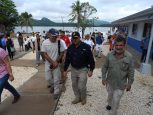
Multiple institutions worked together to build a coastal monitoring station, Estación Cipancí, to strengthen protection, sustainable use, and monitoring of the waters, communities, and beaches in the Gulf of Nicoya, officials announced yesterday.
The station will support joint environmental and socio-economic projects to be carried out by the National Conservation Areas System (SINAC), the Costa Rican Coast Guard, and the Costa Rican Fish and Fisheries Institute (Incopesca).
Costa Rican President, Luis Guillermo Solís was at the inauguration of the new station yesterday, and stated, “We are pleased this station will support coordinated actions in the interior of the Gulf of Nicoya … to protect important commercial and ecological resources, and to monitor the correct use of fishing techniques.”
Public security officials in a press statement said the coordinated efforts would greatly benefit local residents in helping to protect coastal resources such as mangroves and wildlife refuges, in reducing thefts against fishermen, and by increasing anti-drug activities in the area.
The 350-square meter station has dormitories, offices, kitchens, bathrooms, laundry areas, and meeting rooms. The non-profit Marviva Foundation was involved in carrying out the project which was funded through the Inter-American Development Bank.
Puerto Níspero, Puerto Moreno, San Buenaventura, Colorado, Abangaritos, Costa de Pájaros, Puerto Pochote, Copal, Puerto Thiel, and San Pablo are the villages along the interior of the gulf that will benefit from the increased government presence in the area.
The coast guard plans to have its first staff deployed to the station in September, and within six months the Cipancí Station will be operating at full capacity, stated Martín Arias, directing commander of the coast guard; this will include an operations unit, and an environmental unit directed by a marine biologist, he explained.



