


 SIGN UP FOR OUR
 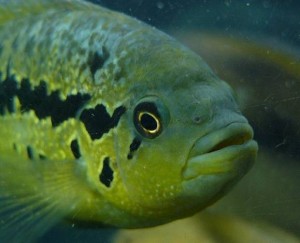 Dozens of rescue workers have been involved in rescuing aquatic species from the Reventazon river since April 11th. On that day, ICE engineers and technicians changed the course of the river in order to accommodate their hydroelectric project, which will include a dam measuring 130 meters in height.
The rescue area of operations in the river is about 820 meters and features strong currents. Biologists from the Ministry of the Environment (Spanish acronym: MINAET) are overseeing the project, while workers and technicians use a number of methods to extract aquatic species from the water for relocation. Workers are using electrofishing, which stuns fish for about two minutes, to immobilize some species before they are put into containers and transferred to other parts of the river in which they can resume their lives. The rescue mostly involves fishing nets, but some of the more experienced workers are also using their bare hands.
The relocation of species was studied and planned in advance. The rescue team consulted seven different environmental and scientific research organizations before changing the course of the river and beginning the fish rescue. Marine biologists have been involved from day one. There are about 70 people involved in the rescue now, and they have worked more than 40 hours in the last 4 days.
Officials from the MINAET confirmed that more than 1,000 aquatic specimens have been rescued so far, although there have been some losses: 29 fish and 9 shrimp have perished since rescue operations started on April 11th.
The Reventazon Hydroelectric Project in Siquirres will have a capacity of 305 megawatts and expects to power 525,000 households in the Limon province. Construction is estimated to last until 2015. Unexpected strong rains in late March caused a landslide that geologists are currently evaluating.
Source: La Fragua (Costa Rica)



