


 SIGN UP FOR OUR
 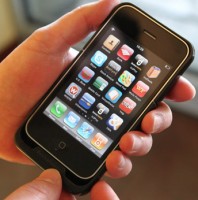 According to SUTEL, there are about 4 million active cellphones in Costa Rica. A study performed by Unimer for La Nacion shows that 35% of the cellphone users have Internet access on their phone. This represents a dramatic increase from 14% in 2010. According to the survey, 26% of the users say they have smartphones. In raw numbers, this translates to 1.4 million users who use their phone for Internet access, and around 1.04 million have smartphones. Since smartphones require a data connection, the growth in smartphones continues to drive the number of phones connected to Internet.
The survey, itself, only asked if the person owned a smartphone, without any indication as to the type of phone. The problem is the definition of what constitutes a smartphone. There is no question that phones using iOS (iPhones), Android, Windows Phone 7, and RIM (Blackberry) fall within the category of smartphones. Some are smarter than others, but they are still smartphones. The gray area consists of Nokia Symbian phones and Samsung Bada phones. Nokia Symbian phones run the gamut from low cost to high-end phones. Yet, they all provide for Internet access and the capability to install apps. Samsung Bada phones actually run the Android kernel, but are low-cost phones. Consequently, the number of users with “smartphones,” may actually be greater than the numbers indicated. This is born out of StatCounter Global Stats by Mobile OS for the end of April, which shows: Nokia Symbian (47.4%), Android (19.7%), iPhone (12.7%), Sony Erickson (6.1%), Nokia Series 40 (5.2%), Samsung Bada (1.5%). This would bring the percentage of smartphone users closer to 32.4%. Over the past year, the big losers were Nokia Symbian and Sony Erickson, at the expense of the growth in Android phones and iPhones.
Statistics are often hard to understand, without seeing the questions asked in the survey. In the La Nacion survey, the total for percentages for how a users access Internet is greater than 100%. This happens because we access the Internet in many different ways. For example, a person could access the Internet from their home PC, a laptop, a PC at work, or via their phone. Consequently, the percentages represent different ways to access the Internet, and not actual number of times you use the particular mode to access Internet. While this usage information is important, it does not tell the whole story.
Again from StatCounter Global Stats, the Mobile vs. Desktop statistics show little change over the past year. Desktops had a slight drop from 87.33% to 85.75%. Mobile devices, on the other hand, showed a slight increase from 12.67% to 14.25%. A very small shift, which may be due to seasonal variances. The Statcounter statistics do not distinguish between points of access, only the device used to access the Internet. The availability of low cost Android phones and tablets is just beginning to have an impact on the Internet access statistics. It will take another six months, or a year, to see what impact, if any, mobile devices have on Internet access in Costa Rica.
There are no current statistics for the impact of mobile devices on the volume of data traffic on Costa Rica networks. Traffic analysis from other countries indicate increased data traffic from smartphones. According to Cisco’s Global Mobile Data Traffic Forecast, mobile video traffic accounted for 52% of the total traffic at the end of 2011. It is hard to extrapolate this data to Costa Rica, as it heavily depends on the Internet services available. For example, in Costa Rica we do not have access to Hulu, Google Play Movies, or many other video services that are restricted by country.
While detailed data traffic is not available for Costa Rica, we can, however, get some idea of how Costa Ricans use the Internet. The StatCounter Global Stats for Social Media Sites show that 71.31% of the social media traffic from Costa Rica is to access Facebook. The next highest social media site is StumbleUpon with 13.9%. StumbleUpon is followed by YouTube (6.47%), Twitter (3.97%), Pinterest (2.99%), and LinkedIn (0.16%). Statistics regarding a breakdown between desktop versus mobile device usage are not currently available.
The story of mobile devices in Costa Rica is just beginning. In part, the future depends on making mobile devices more affordable to the general population. The coming year is going to be exciting. As major developments occur, they will be reported in The Costa Rica Star.



