


 SIGN UP FOR OUR
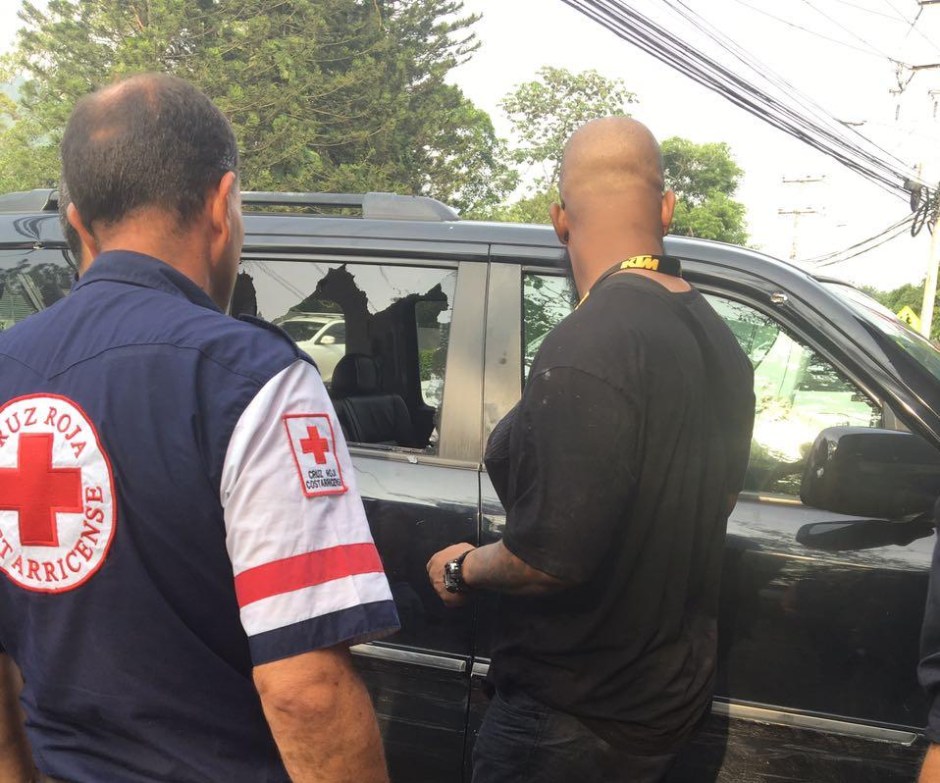
A few weeks ago, a Red Cross ambulance driver was threatened at knife-point and asked to hand over his cell phone when driving to the scene of an emergency in the agricultural town of Santa Rosa de Pocosol in the north-central region of San Carlos, Alajuela, Costa Rica.
This and other potentially life-threatening incidents involving aid workers in different parts of Costa Rica have the agency conducting a safety analysis.
The preliminary results of this analysis, which will serve to allow emergency response workers to take additional safety measures when entering into these “conflictive” areas, were recently released, with a final analysis expected to be available in January, said the Red Cross press office.
Santa Rosa de Pocosol, San Carlos, a large, flat, rural region bordering Nicaragua, is one of the areas deemed to be dangerous for aid workers due to threats they have received.
Matina, a small rural community along the Matina River in the Limón province, as well as the port city of Limón, both on Costa Rica’s Atlantic coast, are also on the list of high-risk areas for aid workers.
On the Pacific coast, the district of Barranca, in the province of Puntarenas, the site of a export manufacturing zone that includes clothing and other light industries, is on the list of high-risk areas identified by the Red Cross.
And finally, in the metropolitan area, the neighborhoods of Los Guido, Desamparados; Pavas; La Carpio; and Leon XIII are considered violent and dangerous neighborhoods in San José. As are the El Carmen neighborhood in Cartago, and the “El Infiernillo,” sector of the San José neighborhood of Alajuela.
León XIII, a neighborhood in Tibás, San José, has the highest population density in Costa Rica, according to information on Wikipedia. The district is considered a marginal urban neighborhood with risks associated with citizen insecurity, overcrowding, and social problems. Likewise, La Carpio in La Uruca, San José is largely made up of Nicaraguan immigrants and suffers from extreme poverty.
The international humanitarian aid organization recognizes the need to first protect their own workers when entering areas of potential violence where others need their vital assistance.



