


 SIGN UP FOR OUR
  Early rains and precipitation forecasts for the rest of the year will bring instability to the agricultural markets, with uncertainty for farmers and benefits to consumers in a number of produce items. Preliminary reports indicate that May will be a good month for shoppers who flock to the farmers’ markets in Costa Rica, and climate change has a lot to do with it.
A 2008 study by researchers at the University of Massachusetts, Amherst indicated concerns about the impact of climate change on the highland forests of Costa Rica and the implied threat to her unique biodiversity. The study referenced the extinction of Bufo periglenes, the Monteverde golden toad back in the late 1980s, an event that coincided with an unusual warm period in the Pacific Ocean. The press release that accompanied the study concluded that:
“Central America has a unique annual cycle of precipitation, with a midsummer drought that occurs during July and August. Knowing how climate change will affect this cycle will be important for agriculture, which is an integral part of the economy of the region.”
The conclusion above is already having an effect in local crops. According to a report in national newspaper La Nacion, the month of May will be good for consumers in terms of the following fruits, which will be offered at lower prices:
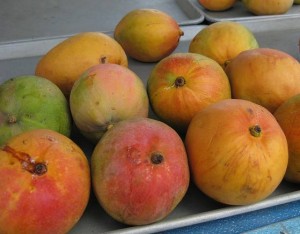
- Mango
- Papaya – up to 23 percent less than usual
- Strawberry
The report from La Nacion is based on forecasts issued by the National Center of Food Distribution (Spanish acronym: CENADA). Other fruits that will register lower prices include melon, star fruit and passion fruit. The price of these last three fruits will probably remain low through the summer (green or rainy season), but are likely to see sharp increases afterward.
In terms of vegetables, low prices in May are projected for the following:
- Beet – 22 percent lower than average
- Green Cabbage – 34 percent lower than average
- Bell Pepper (technically a fruit) – 21 percent lower than average
- Tomato (technically a fruit) – 17 percent lower than average
Potatoes and onions will also enjoy reasonable prices over the next few months.
Coffee crops are expected to enjoy a good season, although increased demand is driving Tico farmers to import higher amounts of the prized commodity.
While the month of May will be a boon to consumers who wish to save money by loading up on the produce cited herein, farmers and grocers who have enjoyed years of predictably stable crops are learning to adjust. Not all crops are benefiting from climate change this year; the Caribbean lowlands where bananas are grown are experiencing less precipitation.
Consumers should keep in mind that the price projections above are based on precipitation forecasts, notwithstanding severe weather events such as tropical storms, depressions and hurricanes.



