


 SIGN UP FOR OUR
 AUSTRALIA CLIMATE CHANGE
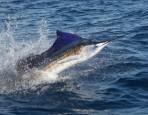
Australia’s oceans.
Sydney, Sept. 27 — As climate change leads to the warming and acidification of water, the males of a marine crustacean species in Australia will become more attractive to the females of that species, according to a study published Tuesday.
A group of researchers studied the behavior of the herbivorous amphipod, Cymadusa pemptos, that inhabit the southern coast of Australia, by placing them in tanks, under conditions predicted for 100 years from now, including elevated temperatures and large amounts of CO2.
Led by Katherine Heldt and Pablo Munguia and published in the Scientific Reports journal, the study found that the population increased twenty fold under those conditions, according to a statement by the University of Adelaide.
The male crustaceans, like any marine amphipod, have larger claws than the females, and use them to attract potential mates or to fight off competitors.
“Climate change most usually comes with predictions of severe negative impacts on population sizes, if not extinctions,” said Munguia, while explaining that the study showed that males grew larger in size, in conditions 100 years from now and taking into account climate change, while females remained the same size.
“On top of that, where there had been variation in large claw size throughout the population, suddenly all the males had large claws. This happened within a few generations,” he added.
According to the expert, this sexual selection could mean that “every male was equally attractive to the females, resulting in very large numbers of females – almost 80 percent – becoming pregnant, causing a massive population explosion.”
With climate change leading to an increase in marine algae, which the amphipods feed on, competition for food would reduce and allow males to support their energy-demanding bigger claws, the study says.
Munguia stressed that the research has provided the first evidence of benefits of climate change for some species despite its catastrophic implications in general, as well as possible changes in mating behavior. EFE



