


 SIGN UP FOR OUR
  According to the Trafficking in Persons Report 2012, the US State Department has removed Costa Rica from its blacklist of countries for people trafficking along with its neighbor Panama, the Dominican Republic, Myanmar and Venezuela which has been in this list since 2009.
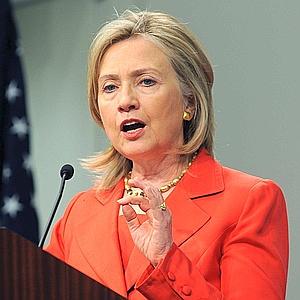
The report was presented yesterday by U.S. Secretary of State Hillary Clinton.
Some of the most notable improvement examples in this list is Costa Rica’s other neighbor; Nicaragua, which has now been upgraded to the category of countries that meet the necessary efforts to crack down on human trafficking. This is mainly thanks to the sentencing of several offenders in the last year. Colombia was also moved to this category.
To the contrary, sixteen more countries such as Syria were included this year on the list provided by the Obama Administration. This is five countries less than last year.
The US impression on Cuba does not look positive. The country continues on this infamous list where it has been for the past 10 years and is now the only Latin American country in it. The report justifies this decision based on the lack of effort in making any significant progress on this matter.
The consequences of being in such a report include the elimination of U.S. aid, something extremely necessary for African countries which in turn, are a big part of the countries listed in this blacklist along with regions of Asia.
Secretary of State Hillary Clinton manifested
“These victims of modern slavery are women and men, girls and boys, and their stories remind us of what kind of inhumane treatment we are still capable of as human beings,”.
According to UNICEF, Costa Rica is a country of origin, transit and destination for women and children victims of human trafficking for sexual exploitation but it also serves as a transit point for victims trafficked into countries like the US, Mexico, Canada and Europe which are later forced into labor as domestic servants, agricultural or fishing laborers.
Legally in Costa Rica, many advances have been made in this area, such as Article 172 which stipulates from 8 to 16 years of imprisonment for criminal groups that commit human trafficking in cases in which the victim is a minor or in a position of vulnerability or disability or when any form of violence, intimidation or coercion has taken place.
Organizations such as OIJ, INAMU, the Coalition Against Smuggling of Migrants and Trafficking (CNCTIMTP) and the International Organization for Migration (OIM) are some of the institutions in charge of preventing, prosecuting and working against this problem.



