


 SIGN UP FOR OUR
  Bats have a bad reputation: most people think of blood and vampires, thanks to Hollywood. The truth is, however, that bats provide valuable environmental services such as pest control, spreading seeds and pollinating plants.
Of the approximate 1,100 bat species on Earth, 112 of them are found in Costa Rica. Four of Costa Rica’s national parks have been declared as important areas for the conservation of bats: La Amistad International Park, Braulio Carrillo National Park, Santa Rosa National Park and Tortuguero National Park.
Last August, more than 650 specialists from 55 countries attended the 16th International Bat Research Conference (IBRC) and the 43rd North American Symposium on Bat Research (NASBR) in San Jose, Costa Rica. The experts shared their findings on bat research, techniques and latest methods of study of these animals.
 One of the Conference’s conclusions is that the loss and fragmentation of forests, which is the main habitat of bats, along with direct persecution by humans, and the inappropriate use of pesticides are the main dangers posed to the existence of bats.
“The quality of human life depends on biodiversity and bats are an important part of this. We must not exterminate them. If we understand bats, learn about them and assess our coexistence, it will help prevent us from losing these species,” said Bernal Rodríguez, professor at the school of biology of the University of Costa Rica, and researcher and coordinator for the Latin American Network for the Conservation of Bats (Relcom).
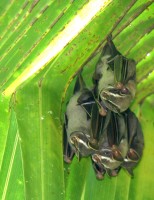
Bats are the only mammals naturally capable of flight. Most of the bats that live here are nocturnal, so they are best viewed at nighttime, when they swoop through the air hunting for insects or juicy tropical fruit. Or, you can see them in the day sleeping in their nests.
Bats have important ecosystem functions. They control pests on crops and may be more effective than birds in mitigating insect infestation, say the experts. Nectar-feeding bats help pollinate flowers. Bats that eat fruit help planting by dispersing seeds through their feces.
 “Bats feed on insects. Some can double their body weight based on this diet in just one night. Some of these insects they are eating carry diseases to humans, such as mosquitoes,” noted Rodríguez.
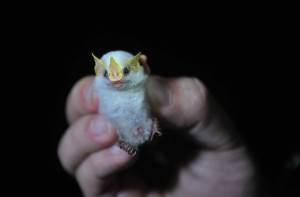
Commonly found in Costa Rica is the Jamaican Fruit Bat. Native to Central and South America, it loves to dine on bananas, guavas, papayas, pollen and nectar. It plays an important part in seed distribution. The rare Honduran White Bat is found along Costa Rica’s Caribbean Coast; the tent-making bat is one of only 15 such bat species in Latin America.
 You can learn about the bats, birds, frogs, reptiles, insects and butterflies of Costa Rica at Veragua Rainforest Eco-Adventure, located in the Talamanca Mountain Range about an hour inland from Costa Rica’s Caribbean port of Limón. The 1,300-hectare (3,212-acre) biology research and adventure center borders the La Amistad International Park, noted for being an area for bat conservation. Veragua Rainforest is an excellent one-day tour to learn about the Costa Rica rainforest and its wildlife.
Article by Shannon Farley
Shannon Farley writes English-language blogs and handles social media marketing for Enchanting Costa Rica and Profimercadeo in San Jose, Costa Rica.



