


 SIGN UP FOR OUR


By Wendy Anders
Nearly 10 years after the passage of Costa Rica’s domestic violence criminalization law, women face rising rates of violence, and epidemic levels of court case dismissals and lack of legal reporting.
The judicial branch’s gender commission, which monitors progress on the issue of violence against women, reports that over 76 percent of domestic violence cases are rejected by courts, and over 12 percent are dismissed.
A recent report by Radio Monumental discovered that last year Costa Rican police arrested on average one person per hour for domestic violence. This was calculated by averaging out the more than 10 thousand arrests for such cases reported by the Ministry of Public Security last year, detailed the station.
Of the at least 20,000 domestic violence complaints registered with 9-1-1 or other agencies each year in the country, a mere 5 percent are followed up with a formal legal accusation, said the judicial branch in a statement.
What are the causes behind this enormous gap between initial reporting and further follow-up? The country’s top legal experts were to discuss this and other pressing topics last November when Hurricane Otto blew through and it was canceled, so more details on this are still not readily available.
For now what safety officials can tell us is that the most violence against women last year occurred in the provinces of San Jose, Guanacaste, Puntarenas, and Alajuela, in that order.
And police noted a significant increase in situations such as fighting and aggression in the street.
To counter this they announced a campaign in public schools focused on reducing violence, said Interim Minister of Security, María Fullmen Salazar, and by joint efforts with other entities involved with violence prevention.
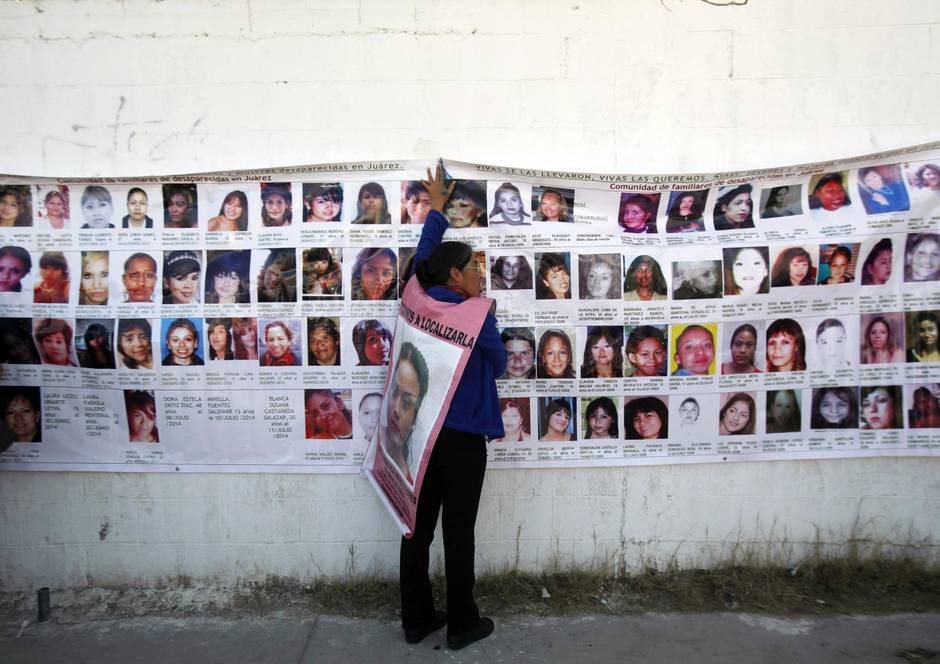
Last year more than one woman per week on average was murdered in Costa Rica, according to data from the judiciary’s Gender Violence Observatory, which tallied 54 homicides against women between January 1 and November 14, 2016. Of these, 22 were classified as femicides, which averages to more than two femicides per month. Femicide is defined as a death at the hands of a current or former male romantic partner, or any instance in which a woman is killed by a man for gender-based motives.
As women gain more awareness of their rights, reporting is going up. The observatory noted that the number of complaints of sexual harassment in public increased 70 percent from 2014 to 2015 (from 1,562 to 2,638 cases). Few if any of these cases are filed in courts, and they are considered lesser crimes sanctioned with fines.
Penalties under the Law on the Criminalization of Violence against Women (LPVcM, the law’s acronym in Spanish), law number 8559, range from a maximum of 35 years for femicide, 18 years for sexual assault, 10 years for restricting a woman’s freedom of movement, to up to 4 years for restricting a woman’s self-determination, 2 years for physical abuse, 3 years for patrimonial abuse (hiding or blocking access to finances), among other crimes that are detailed on the judiciary’s website.
The law went into effect on April 25, 2007.



