


 SIGN UP FOR OUR
  Many of the efforts currently undertaken by Costa Rica to achieve her goal of becoming a carbon-neutral country by 2021 have been practiced in Japan since long ago. Like other heavily industrialized nations, Japan keeps an eye on the massive carbon emissions that heavy industrial output and unbridled development brings. Until recently, the network of nuclear power plants in Japan brought electricity to millions of households and businesses and kept carbon emissions in check, but the recent shutdown of the country’s last nuclear reactor is reversing years of environmental progress made.
Japan enjoyed low emissions for decades, and the nation was rightly proud of that achievement. Along with technological innovation, economic prosperity and a constitutional renouncement of war, Japan’s progress in recycling and carbon emission reduction highlighted the Asian nation on the world’s stage. Costa Rica, by comparison, will have an easier time becoming carbon-neutral since our industrial output is but a fraction of Japan’s. Reducing the national carbon footprint is easier in a country where agriculture and ecotourism are our main sources of revenue.
Going Back to 1990
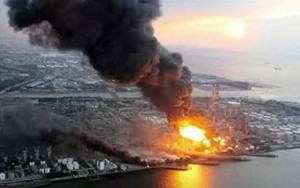
Japan was making considerable progress on a firm commitment made before the world: to reduce carbon emissions by 25 percent. The baseline year was 1990 and the target year was 2020; the Japanese Ministry of the Environment heralded the announcement as the country’s contribution to the world in the face of climate change. Shutting down the last nuclear reactor means after the dramatic meltdown of Fukushima after the catastrophic 2011 Tohoku earthquake and tsunami means that the level of carbon emissions this year will be 15 percent higher than in 1990.
Following the catastrophes of 2011, the resilient Japanese people decided that nuclear power was no longer a viable option in that highly seismic nation, and the government listened. Japan may have gone back to 1990 in terms of carbon emissions, but if there is something that the Japanese people are known for is innovation and tenacity. The government of Japan is busy working on a strategy that will be announced later this year, and the focus will be on clean and renewable energy production.
Radiation Warnings in Japan and Across the Pacific
Even as Japan shuts down the last nuclear reactor, concerns about post-meltdown radiation are still being discussed around the world. The concerns are not as great as last year, when UC Berkeley in California reported high radiation levels found in rainfall. In December of 2011, the International Journal of Health Services published an article that indicated that 14,000 deaths in the United States could be linked to radioactive fallout from Fukushima.
Rain and snowfall are still major concerns, as well as the food supply. Costa Rica was one of the seven countries in Latin America that had the ability to measure radiation levels of imported foodstuffs last year, and to this extent the Center for Atomic and Molecular Science Investigations (CICANUM in Spanish) conducted extensive radiation testing back in April and May of 2011. The CICANUM also stepped up its radioactive detection and testing methods in June of last year and continues to so today. No increase of radiation in the foodstuffs imported by Costa Rica has been detected.



