


 SIGN UP FOR OUR
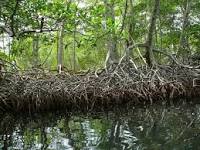
Costa Rica is working to rehabilitate and protect mangroves, a coastal ecosystem that is highly threatened throughout the world, said Deputy Minister of Water, Seas, Coasts and Wetlands, Fernando Mora in an interview with the Spanish News Agency (EFE).
Costa Rican environmental authorities stressed the importance of conserving mangroves in harmony with the well-being of communities bordering the forests as essential to the country’s development.
“We seek to make visible the importance of mangroves – and wetlands in general – for the benefit of the population and the ecological health of the country. We want to achieve comprehensive management of these ecosystems that will allow us to guarantee the harmony of the mangroves with the ecological dynamics or activities that are carried out simultaneously,” said Mora.
Mangroves are dynamic ecosystems that provide sustenance and economic livelihoods to millions of poor people throughout the world. Often looked down upon as mosquito-ridden swamps, the habitats are actually so rich they can provide up to five times as much carbon-cleansing from the atmosphere as tropical forests, said EFE,
Mangroves also provide biodiversity, fresh water supply, food, sediment filtration, and act as flood controls and areas of groundwater recharge. They are also stunning areas for activities such as ecotourism and bird watching.
Although no exact figure on the total mangrove areas along Costa Rica’s Pacific and the Caribbean, the closest estimate is about 35,000 hectares, half of which are located in the Térraba-Sierpe National Wetlands in the southern Pacific region of Osa.
“Mangroves have had a public relations problem because they have always been perceived … as a place where the very poor live … but we forget that they provide us with vital ecosystem services, and give us fish, mollusks, crabs and many other things,” said director of the Neotropical Foundation, Bernardo Aguilar, an organization dedicated to the responsible use and conservation of natural resources.
Under the current administration of Luis Guillermo Solis, the country’s first National Wetlands Plan (2017-2030) has been established, which includes conservation management, inclusive participation of local communities, climate adaptation, and strengthening institutions to protect wetlands and mangroves.
Mora said one of the current challenges faced by these public lands is to regulate small-scale economic activities such as mollusk harvesting to minimize damage, and to encourage local residents to care and protect their natural resources.
Of greater negative impact on mangroves are larger scale activities such as sugar cane, palm, and pineapple growing, salt harvesting, and shrimp cultivation. These need to be regulated, and environmental education needs to take place to prevent further damage to mangrove ecosystems that are an invaluable boon to the country’s environment, explained Mora.



