


 SIGN UP FOR OUR
 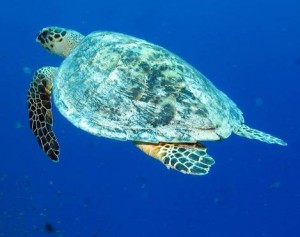 In a recent conversation with Radio Reloj 94.3 FM, the President of the Sea Turtle Conservation Program (PRETOMA in Spanish) explained that the number of Leatherback and Hawksbill sea turtles that massively arrive in Costa Rica during nesting season has been reduced by as much as 90 percent over the last two decades.
Costa Rica has a number of measures in place to protect sea turtles, from legislation to law enforcement and from community initiatives to the work of non-profits like PRETOMA. The sea turtles, however, swim across miles of open ocean, and the conservation initiatives and actions taken on the beaches of Costa Rica are insufficient, according to PRETOMA’s president Randall Arauz. Some of the issues that need more attention, according to Mr. Arauz, include:
- More vigilance over the nesting sites to deter poaching
- Increased environmental legislation
- Regulation of shrimp boat activities
Mr. Arauz denounced the lack of action taken by the Fishing Institute of Costa Rica (INCOPESCA), Fuerza Publica and prosecutors with regard to shrimp boat captains whose catch procedures are irresponsible and harmful towards sea turtles. PRETOMA claims that there are no systems in place to present complaints against irresponsible shrimp boats. Mr. Arauz stated that INCOPESCA administrators should be on trial for their inaction in this matter, but prosecutors refuse to investigate.
In the past, The Costa Rica Star has reported on an instance when poachers stormed a protected hatchery on a beach in Limon, armed with AK-47 assault rifles, as well as the confiscation by Fuerza Publica of nearly 500 eggs carried by traffickers traveling by taxicab in the Matina canton, province of Limon.
Beyond Costa Rica’s national waters, there is not much that can be done to protect sea turtles, however, and Mr. Arauz admitted that climate change has also played a part in the reduction of species. The green sea turtles are faring better than the Hawksbills and Leatherbacks, but their numbers have also decreased slightly.



