


 SIGN UP FOR OUR
 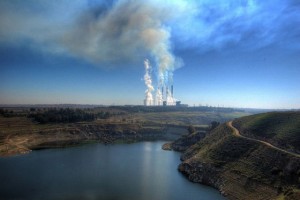 The WWF, World Wildlife Fund, recently published its biannual report on the health status of our planet. As expected, earth did not receive a positive check-up. The Living Planet Report 2012 calculates the impact of our collective societies as a composite measure of issues such as fossil fuel burning, use of cropland for growing food, consumption of trees, and fishing in the wild.
The Report indicates that earth’s renewable resources are being gobbled up at a rate 1.5 times faster than it can recover those resources. Demand for fossil fuels and more has doubled since 1966. Sadly, high income countries, those most capable of changing the course of this devastation, are the worst offenders. The top three are all in the Middle East: Qatar, Kuwait and United Arab Emirates, followed by Denmark and the United States, then other highly industrialized nations.
According to Jim Leape, Director General of the watchdog organization, “We are living as if we have an extra planet at our disposal. We are using 50 per cent more resources that the Earth can sustainably produce and unless we change course, that number will grow fast – by 2030 even two planets will not be enough.”
Even though most people are becoming more aware of the urgency to change our living habits and demand on resources, few do much to take affirmative action toward change. Teaching children in schools to not litter is important. But who convinces large industries to take huge cuts in profit for the sake of future generations? The United Nations Conference on Sustainable Development, Rio+20, will be held in Rio de Janeiro June 20 to 22 and will focus on how we can turn these numbers around. The future of our planet depends on it.
Source: HuffingtonPost



