


 SIGN UP FOR OUR
 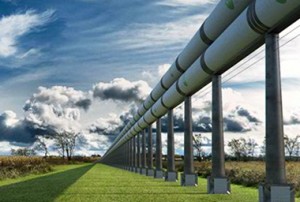 The history of science fiction is rich with instances of predictions, which is not something that sci-fi writers specifically set out to do. That falls under the purview of futurologists, and their predictions seldom come true. There is something profound about the casual way that sci-fi writers create fictional items which later come true, such as Hugo Gernsback’s fictional descriptions of television and commercial space flight back (among dozens of fulfilled predictions) in 1925.
Scientists and engineers who reveal taking inspiration from sci-fi often leave themselves open to suspicious glances by those who think that the literary genre belongs on the pages of comic books and dime-store paperback novels. How will those sci-fi naysayers react when they learn that the future of international travel was predicted by the animated series Futurama?
Matt Groening, creator of the acclaimed animated television series The Simpsons and Futurama, probably never had in mind that the mass transit system he envisioned for New York City in the future would be seriously considered for terrestrial transport. The Tube Transport System in Futurama is a sarcastic take on the pneumatic tube systems that are staples of drive-through banking and in large buildings where complex bureaucratic operations take place. The jest in this case is the idea of people being shipped around like documents.
A company based in Crystal River, Florida -the same state where the Venus Project is being developed- is claiming licensing rights to ETT or ET3, Evacuated Tube Transport. The technology is not available at the moment, but the company claims that it will be in the next decade, and it is selling licenses to those interested in developing the technology for them at $100 per certificate. Each certificate allows the bearer to perform work towards advancing the ET3 project in exchange for stock.
This is how popular site Digital Trends described the ETT system:
Seating a maximum of six passengers per tube plus a baggage compartment, the ETT can travel at a speed of approximately 4,000 miles per hour while remaining airless and frictionless. Thanks to magnetic levitation, the vacuum speed means you can go from New York to Los Angeles in a mere 45 minutes, New York to Beijing in two hours, or around the world in only six hours.
If it seems like such rates of speed would have adverse physiological effects on the passengers, the ETT website has an explanation:
The human body can tolerate 8g of acceleration or more for short periods of time. Top fuel dragsters are capable of about 4g acceleration. Many roller coasters produce 3g of acceleration. Most cars produce almost 1g under maximum braking. If acceleration is limited to 1g, most people will not experience any discomfort.
There is just one more hint of Futurama in the ETT project: The cost of tube travel could be free:
[The] cost will be so low that advertising could pay for most travel, just like it pays for TV, or free Internet. Depending on who you are, advertisers may actually pay you to travel while watching their presentation! The cost will depend on many factors such as the design speed, the topography, and the demand.
Factors such as hurricanes, ocean currents (one could assume that tubes would have to be built underwater) and going to the bathroom are not explained on the ETT project’s website, but there are cool computer animation videos to watch, like the one below.



