


 SIGN UP FOR OUR
 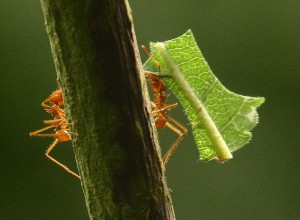 They are known as zompopas, and they are the bane of all farmers and gardeners in Costa Rica. There are a handful of leaf-cutter ant species in Costa Rica, Atta cephalotes and colombica being the most common. Along with the lovely yiguirros (Turdus grayi), they are one of the species that farmers pay close attention to, since they tend to signal the start of summer or green season in Costa Rica, which means lots of rain and future harvests.
Once these amazing creatures materialize in a farm or vegetable garden, they can do away with plants or trees in just hours. Attacks by leaf-cutters are more than just a headache; should they reach pest proportions they can be very damaging to crops and gardens. In the tropical rainforests of Costa Rica, zompopas do away with 20 percent of the foliage.
The early rains prompt the leaf-cutter queens to lay eggs that will hatch other queens and males, then they take off on a nuptial flight, far away from the hatchery that becomes the basis of the underground colonies, which in turn serve as farms, pharmaceutical factories and fuel depots. The leaf-cutters that we see chomping away at leaves and transporting pieces back to their colonies are foragers. Once they take their precious cargo to the colony they are waived through by larger zompopas that serve as soldiers guarding the colony. These are warrior ants that are sworn to serve queen and colony to the death, and they are the ones that can actually deliver a bite that is painful even to larger species such as humans. Inside the colony there are cleaner ants, farmer ants, and special teams of ants that dispose of hazardous materials.
Leaf-cutters keep vast fungus gardens from which they derive nourishment, medicine (in the form of antibiotics), and fuel. They have been producing renewable sources of energy for millions of years, something that researchers at Finca La Anita Rainforest Ranch in Bagaces near the Nicaragua border have been looking into. They are not alone: scientists at the United States Department of Energy are very interested in how zompopas breakdown large quantities of biomass into a clean and renewable source of energy. The idea is to gain a clear understanding of how the fungus and bacteria that the zompopas cultivate is able to breakdown the biomass.
This is important to fuel-hungry humans because the energy industry has been investigating the field of biofuels derived from cellulose, the polysaccharide that is the chief constituent of all plant tissues and fibers. If we are able to find a very efficient and cost-effective way to extract cellulose from plants, like the zompopas do all the time, we could manufacture significant amounts of ethanol from the waste and byproducts of pineapples and bananas we do not consume. We definitely have a lot to learn from leaf-cutters, so the next time you see them attacking your garden, please use an organic control method on them. Basil oil, garlic sprays and lemon grass barriers are often effective.



