


 SIGN UP FOR OUR


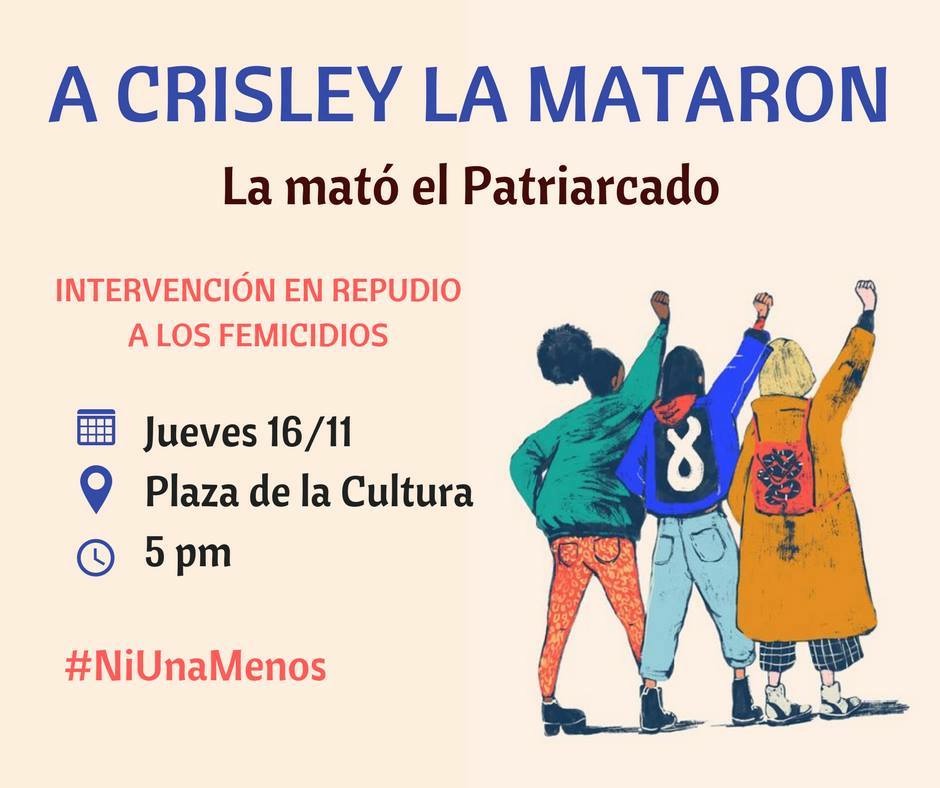
Women killed by their current spouse or partner, or as a result of their female gender such as in a sexual assault, now number 24 so far in 2017 in Costa Rica.
These “femicides,” the legal term for this type of homicide, have left 18 children orphaned, 15 of whom are under the age of 18, said Costa Rica’s Interinstitutional Subcommittee on Femicide, which is led by the Observatory on Gender Violence against Women and Access to Justice.
A total of 45 women have been murdered as of November 9, according to the data from the Deputy Prosecutor for Gender’s office.
A vigil to call attention to this extreme form of violence against women is being held Thursday, November 16 at 5 p.m. at the downtown San José Plaza de la Cultura, next to the National Theater.
Femicide under Costa Rica’s Law on Criminalization of Violence against Women (Article 21) is defined as the death of a woman at the hands of her current spouse or partner.
The most recent femicide took place in a rural community outside of La Fortuna, San Carlos and involved the fatal shooting of a 19-year-old woman by her 56-year-old partner, a transit police officer.
Other violent deaths of women due to their gender in cases where there is no marriage or romantic involvement, for example, deaths during courtship, after a divorce, after the termination of a relationship, or as a result of a sexual assault are also considered gender-based violence. These are classified as cases of “extended femicide” under the Convention of Belem do Pará, which is applied in Costa Rica.
In Costa Rica so far in 2017 there have been nine other homicides of women that were not considered femicides, and 12 cases still awaiting an evaluation of their cause.
Most of the femicides occurred in January (seven), in San José (eight), and in all cases the femicide victims were Costa Rican.
The Observatory on Gender Violence against Women and Access to Justice is a technical unit of the judicial branch created to inform, analyze and evaluate the actions of the institution in the prevention, attention, and punishment of gender-based violence against women. It was approved by the Superior Council of the Judicial Power of Costa Rica, in session No. 27-14 of March 26, 2014.



