


 SIGN UP FOR OUR
 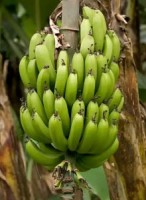 A tiny and pesky insect is wreaking havoc in banana plantations across Costa Rica. Producers, exporters and government officials are keeping a close eye on the widespread plague of cochineal insects that enjoy sucking on recently sprouted banana leaves before they move on to the fruit. The cochineal bugs do not actually get to the banana flesh itself; however, they leave unsightly black stains on the peels, which disqualifies the fruit for export purposes.
Along with quality coffee beans, bananas are very important crops for the national economy of Costa Rica, which has a rich agricultural tradition. According to a news report by Marvin Barquero of La Nacion, more than 90 percent of the 44,000 hectares dedicated to banana cultivation are experiencing Dactylopius coccus infestations.
The first problem is one of aesthetics. The primary banana importing nations have a great appetite for the sweet fruit of the Musa tropical plants. These countries, however, can be quite picky when it comes to their bananas. They must be picture-perfect when they are displayed on the shelves of supermarkets in developed nations. Plus, should an agricultural customs inspector spot cochineal bugs aboard a shipping container from Costa Rica, the country could suffer trade sanctions.
The National Phytosanitary Service has declared a general state of banana emergency. This is a required measure for the next step: To purchase a special insecticide that requires special approval from the Ministry of Agriculture and Livestock (Spanish initials: MAG). This agrochemical pesticide is placed into a special protective liner that covers the banana bunches and keeps them safe from the cochineal critters.
A number of banana growers have commented that the general shift towards banana cultivation techniques in Costa Rica that use less pesticides is to blame for the cochineal plague. In the past, the special insecticide being ordered now was widely available. Costa Rica is unlikely to return to the heavy use of pesticides in the banana sector, particularly since past use of pesticides has negatively impacted wildlife species and ecosystems in general.



