


 SIGN UP FOR OUR
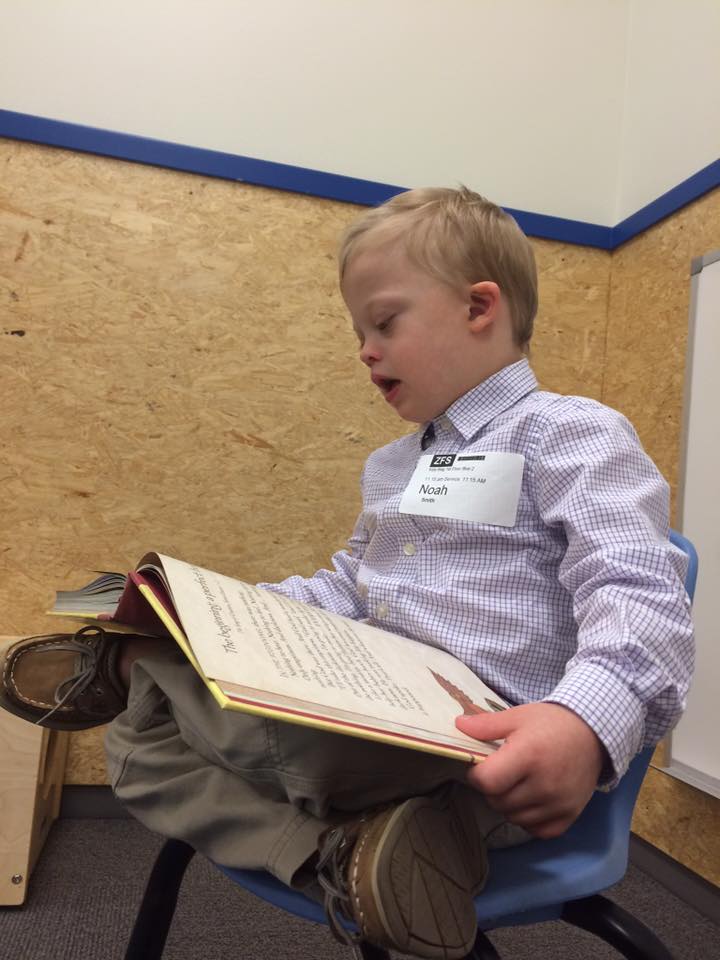
Costa Rica’s Constitutional Court in a landmark ruling in September ordered the Ministry of Public Education (MEP) to hire an additional teacher to assist a student who has Down syndrome to allow their effective participation an integration into a regular classroom.
The case was brought by the student’s family after the ministry rejected their request for a classroom aide for their child after the school moved their child from a regular classroom into a special education classroom, thus, said the family, lowering the quality of the child’s education.
The court, in its sentence (number 013879-17), ruled against the ministry saying the child’s needs were not being met by being placed in a special education classroom staffed by one teacher together with children with other types of disabilities. The sentence is based on the legal precept in Costa Rica that a child’s needs are superior to other needs; in this case, the child’s needs for an adequate education are superior to the ministry’s policies on hiring aides.
“In this case, it is understood that the superior needs of the child can not be satisfied within an integrated classroom (where there are also children with other disabilities), by a single teacher,” quoted the judges in their sentence.
The ruling is significant as being the first of its kind in Costa Rica, at a time when people and children with disabilities increasingly push for respect for their rights under the country’s relatively new laws on the subject.
The MEP argued that the school where the Down syndrome child was enrolled was not required under their regulations to staff classrooms with assistants for special needs children.
And, as such, the ministry recommended to the family that they transfer their highly functional Down syndrome child to a nearby special education school.
The country’s high court judges agreed that the choice presented to the child – to transfer out of the school where he had studied for years or else be placed in a limited learning environment – was detrimental and discriminatory for the child, who would be forced into a type of segregation from his usual learning environment.
The sentence thus concluded that,
“The Minister of Public Education, the Western Regional Education Director, the School Director and the Human Resources Director of the Ministry of Public Education are ordered to coordinate actions to develop and implement care of the special needs of the child.”
The ruling specified that the school needed to be provided with the funds to appoint a the classroom assistant.
Down syndrome (DS or DNS), also known as trisomy 21, is a genetic disorder caused by the presence of all or a portion of an additional chromosome 21. It is typically associated with physical growth delays, characteristic facial features, and mild to moderate intellectual disability.



