SIGN UP FOR OUR
  By Wendy Anders
In a historic victory for the environmental movement in Costa Rica, a broad coalition of local residents, politicians, environmentalists and others hailed today’s decision by the Los Chiles Municipality to halt expansion of pineapple production for five years.
The Northern Region where Los Chiles is located is home to 47 per cent of Costa Rica’s pineapple production with 17,860 hectares under cultivation, followed by the Atlantic region with 31 percent, states the National Chamber of Pineapple Growers and Exporters (CANAPEP) on their website.
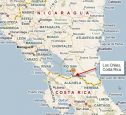
Los Chiles, a county of 1,359 hectares in the Northern Region accounts for a small percentage of the region’s production, but the move is symbolically important for citizens who have struggled for years to have their voices heard about pollution of water sources and other environmental problems associated with the pineapple sector.
The 5-year moratorium on any new pineapple cultivation will allow for regional zoning plans and hydro-geological studies to be completed, stated the move’s supporters. A number of activist groups signed on to the moratorium which also calls for the municipality to carry out environmental and socio-economic impact studies of the county’s existing pineapple farms.
Costa Rica’s pineapple exports experienced a 400% increase in just a decade, rising from $158 million in 2002 to $789 million in 2012, bumping them to the top of agricultural imports above bananas and coffee, reported in El Financiero, Costa Rica’s business weekly, in June 2013.
“The situation in Los Chiles is that pineapple production has extended too much. It has affected for example cattle ranchers who can’t handle the fly outbreaks any more. We want … pineapple expansion to be regulated. Pineapple has been planted here without any type of control. Wetlands have been destroyed, primary forests have been destroyed, there is too much devastation,” stated Gerardo Barva, a community leader, in an interview today with Radio Monumental.
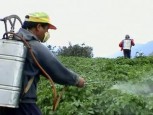
Moratorium backers also noted human health effects in communities near plantations that include exposure to agrochemicals during spraying, air and water contamination, and fly outbreaks.
With about 30,000 residents and made up of 4 districts along Costa Rica’s Nicaraguan border, Los Chiles is also home to part of the Caño Negro Wildlife Refuge, a bird watcher’s paradise, and part of the International System of Protected Areas for Peace under the global Convention on Wetlands, known as the Ramsar Convention.
A local civil environmental court cited in a press release about the municipal decision stated recently that, “Deforestation, invasion of protected areas, changes in land use, impacts on the lagoon and its fauna, constructions that affect biological corridors, and an expansion of pineapple production are part of a long list of environmental problems that are exerting strong pressure on the Caño Negro Wetlands and its surrounding areas … In the case of pineapple cultivation, the problem is it is being carried out in the region’s tropical rainforest, reducing flora and fauna habitats by fragmenting and eliminating vegetation, leaving only small islands of tree cover which makes integrating natural biological corridors impossible.”
The community effort to halt pineapple growth was led by community-based The Land and Liberty Northern Coordination (Coordinadora Norte, Tierra y Libertad) with support by affected communities, schools, ranchers, and residents.
Ramsar is an intergovernmental treaty with 169 member countries that provides a framework for national action and international cooperation for the conservation and wise use of wetlands and their resources, according to the Ramsar website. Adopted in the Iranian city of Ramsar in 1971, it came into force in 1975. The convention currently covers 2,241 sites worldwide and entered into force in Costa Rica on April 27, 1992. Costa Rica has 12 wetlands recognized under Ramsar.
Tourists who wish to visit the Caño Negro Refuge can hire canopied boats in Los Chiles and travel down the Río Frío to Lake Caño Negro inside the refuge. Ramsar describes the refuge as a “shallow freshwater lagoon near the Nicaraguan border, surrounded by seasonally inundated marshes and woodland. Part of an important network of Nicaraguan and Costa Rican wetlands used seasonally by many species of breeding or migrating waterbirds. The site supports small numbers of the endangered stork, Jabiru mycteria, important populations of the reptile Caiman crocodilus fuscus and the fish Atractosteus tropicus [commonly known as gar].”
Tropical gar is considered a living fossil because it has maintained its appearance intact from ancestors that lived in the dinosaur age more than 65 million years ago.
Joining the moratorium effort were the National Front of Sectors Affected by Pineapple Activity (FRENASAPP), the Costa Rican Union for Agricultural Plantations (SINTRAP), the Ecumenical Forum for Alternative Development in Guanacaste (FEDEAGUA), the National Biodiversity Coorinadinating Network, and Broad Front (Frente Amplio) legislators Patricia Mora and Edgardo Araya, among others.