


 SIGN UP FOR OUR

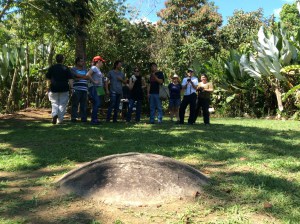
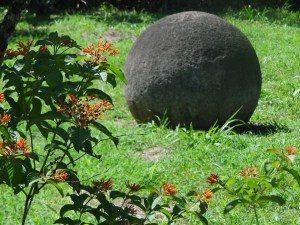
The U.S. government announced a contribution of more than US$38,500 for the preservation of the pre-Colombian spheres in Costa Rica’s southern Delta del Diquis in the region of the Osa Peninsula.
The funds will support a hydrological study to analyze the behavior of soils and layers of the earth’s crust at the Finca 6 archaeological site where the surrounding rivers have covered evidence of the region’s former inhabitants and structures with sediment.
The support is provided by the Ambassadors Fund for Cultural Preservation program, implemented by the United States Department of State, which since its inception in 2001 has awarded more than US$55 million to support more than 870 projects in more than 125 countries around the world, according to the U.S. Embassy.
Information garnered through the study will be used by the Costa Rican National Museum, which is custodian of the archeological sites, to be able to redirect nearby rivers to prevent sediment from covering the area’s archaeological evidence
The study, to be undertaken from July 2017 – December 2018, will also delimit the four properties containing archaeological evidence – the areas are a main tourist attraction in the region.
The U.S. Embassy said the project is part of their commitment to promote inclusive economic development in the southern region of Costa Rica, and is one of several other initiatives they support.
The sites hold intact evidence of the cacique societies of the Delta del Diquís, and provide an exceptional testimony of the complex political, social and productive structures that characterized this pre-Colombian hierarchical societies, said Francisco Corrales, archaeologist from the National Museum.



